

Uncategorized
The Worlds of Yestermorrow
May
Expo 86 & the Ravage of Downtown Eastside
I went to Vancouver on vacation and ended up accidently wandering into the Downtown Eastside; one of the most concentrated zones of visible human suffering I have ever seen. Open drug use, tent cities, a kind of ambient desperation that seemed unimaginable to the tourist trap just two blocks away. It was jarring, and it has certainly stuck with me.
Only later did I learn from some locals that the neighborhood had been destabilized in significant part by a World’s Fair.
In the months leading up to Expo 86, more than a thousand low-income residents in Vancouver’s Downtown Eastside were forced from their single-room occupancy (SRO) hotels with little more than a day or week’s notice. The landlords had done the cruel math: evict long-term tenants, add some new furnishings, charge 3x – 4x nightly hotel rates to Expo visitors. At the time, B.C.’s tenancy rules didn’t apply to those living in SROs, many of whom were informed verbally. Community activist Jim Green, who spent years trying to rebuild what the Expo destroyed, said on the fair’s 25th anniversary: “From the point-of-view of the Downtown Eastside, it was awful, the worst thing that ever happened to this community.”
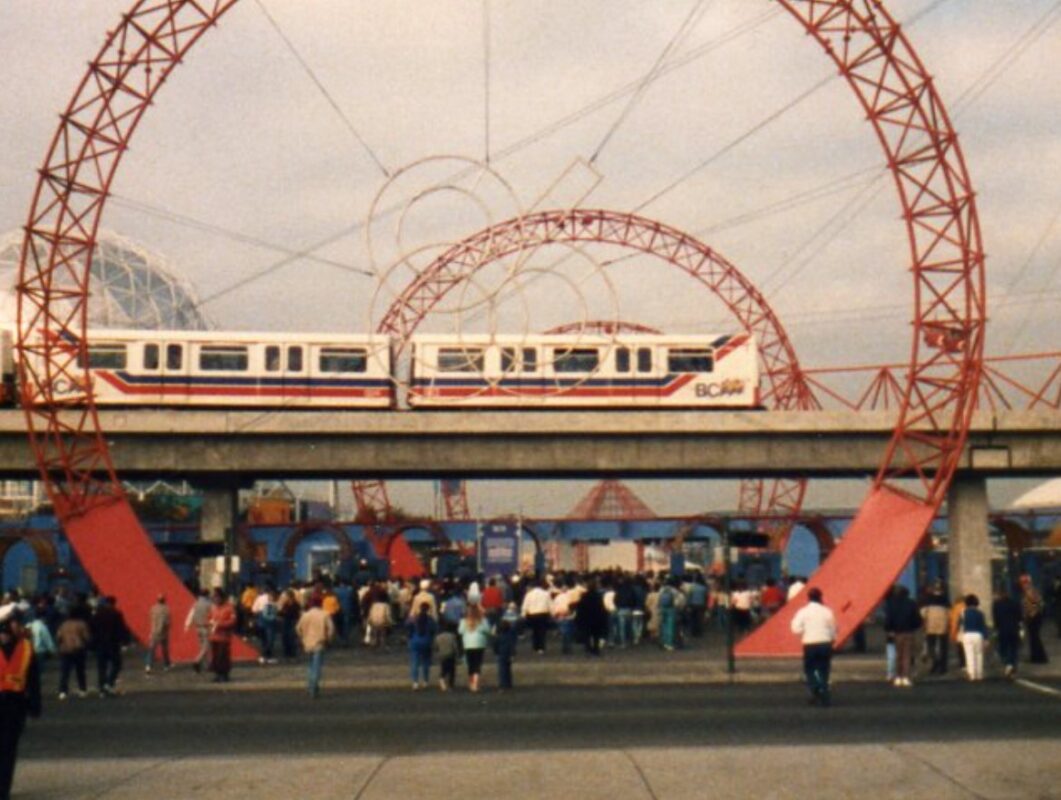
The fair itself, meanwhile, was a glittering monument to the future of transportation. Expo 86’s theme was “Transportation and Communication: World in Motion / World in Touch,” and it featured a 5.4-kilometre monorail, gondola skyrides, water taxis, maglev demonstrations and the newly built SkyTrain. All free to visitors. There was even an Air Plaza where the giant nose of a Boeing 747 soared 36 feet into the sky. The world of tomorrow, rendered in fiberglass and optimism, built on a neighborhood that had just been quietly gutted. There’s a living metaphor for ya.
Expo 86 Evictions: Remembering the Fair’s Dark Side
I have a deep (and slightly embarrassing) love of retrofuturism. The aesthetic zone where the past’s imagined future sits, all chrome and optimism and monorails that went nowhere. The 1939 New York World’s Fair Futurama, General Motors’ vision of automated highways and floating cities is one of the great weird cultural artifacts of the 20th century. So is the GM Futurama II film from 1964, promising moon crawlers and undersea resorts with the absolute confidence of a civilization that had not yet fully processed what it was doing to the planet.
These are propaganda films. But they are hauntingly beautiful.
Lacan, eat your heart out. Or, it hints at what Svetlana Boym calls restorative nostalgia: longing for a future that was promised and never delivered. The flying car is mourned because someone said it was inevitable and now the promise itself is the lost object of desire. Appropriately to this analysis, the monorail at Expo 86 was sold to a British amusement park after the fair ended. The SkyTrain stayed, but the neighborhood didn’t recover for decades. With the AI fueled nostalgiarama in full bloom, I can’t help but wonder what aspects of our cultural moment will future people look back on with the same mixture of tenderness and horror that I feel watching a 1939 film about automated highways, knowing what came next, at what cost? What is our Expo? And who are we evicting to build it…
Further Reading
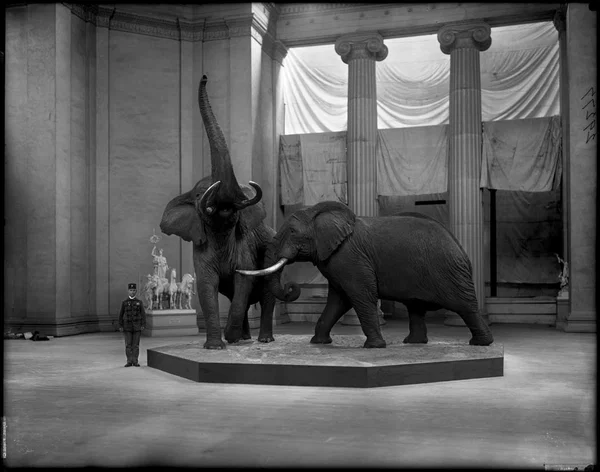
- Field Columbian Museum (1894–1920): Opened in 1894, the Field Columbian Museum was created to house the artefacts from the anthropology, botany, geology and zoology collections at the 1893 World’s Columbian Exposition.
- The Devil in the White City — Erik Larson: the 1893 Chicago World’s Fair, a serial killer, and the dark machinery underneath utopian spectacle
- 1939: The Lost World of the Fair — David Gelernter: meditation on the last great moment of American techno-optimism
- Against the Day — Thomas Pynchon: Opens at the 1893 Chicago Fair, ends in the wreckage of everything the fair promise.
Further Watching
“Design for Dreaming” is a 1956 promotional film produced by General Motors for their traveling Motorama auto show. Blending musical theater with mid-century futurism, the film follows a glamorous, unnamed woman—played by dancer Tad Tadlock—through a dreamlike tour of GM’s latest innovations. Set to original music and narrated partly in song, she explores the newest cars from Chevrolet, Oldsmobile, Buick, Pontiac, and Cadillac, then glides into the futuristic “Kitchen of Tomorrow” powered by Frigidaire appliances. The entire film is a stylized fantasy, crafted to sell not just cars, but a vision of modern convenience and luxury. As both a commercial and cultural artifact, Design for Dreaming captures the optimistic spirit of 1950s America. With its vivid Technicolor, synchronized dance numbers, and idealized portrayal of consumer life, the film is less about products and more about aspiration—what life could be with the right car, kitchen, and lifestyle. Today, it stands as a surreal and nostalgic time capsule from the golden age of American industrial design and corporate showmanship.
